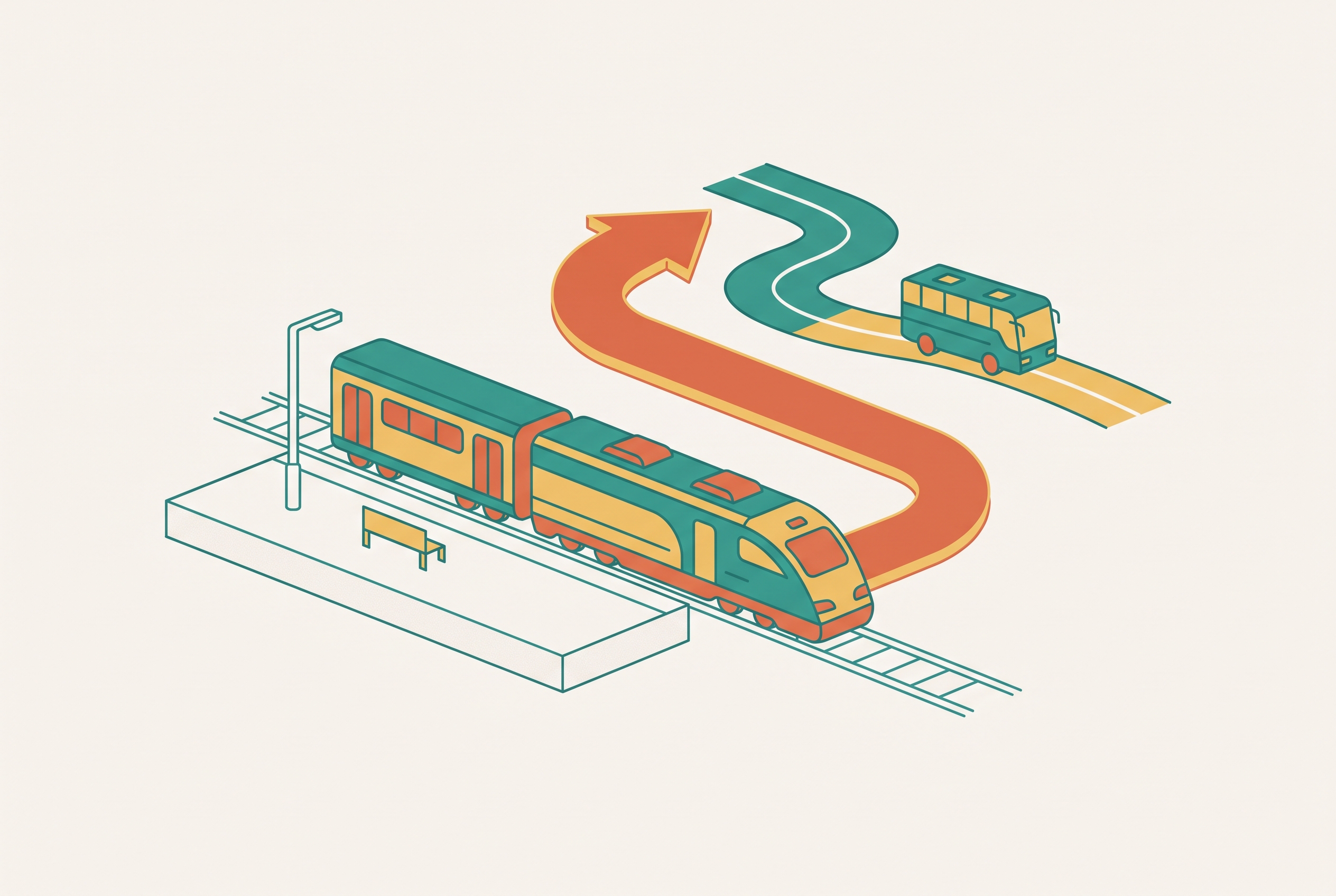
Extending a Trip When Flights Home Are Cancelled
When flights cancel, staying longer often costs less than rushing home immediately.
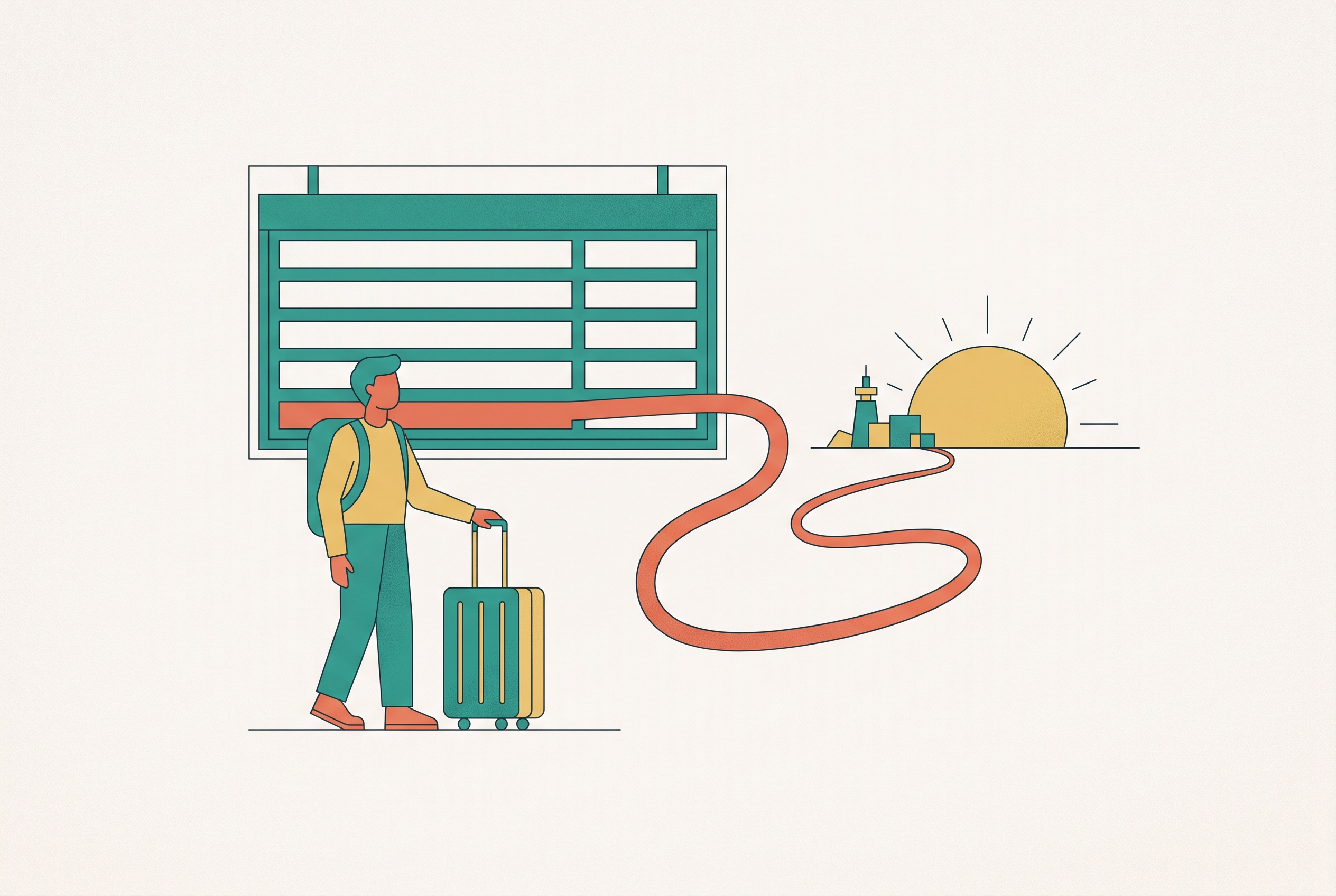
Extending a trip when flights home are cancelled is a practical choice. The aim is to secure a room and a workable return flight without letting panic set the price. When getting home right away is out of reach and can wait, choosing to stay longer can cost less, feel calmer, and leave you with time worth using.
Why flight cancellations are now a routine travel event, not a rare one
Cancellations belong in everyday travel plans because their causes are part of how the system works. Weather, infrastructure bottlenecks, strikes, and geopolitical disruptions can affect flights at the same time. No region or season is reliably free of them, so treating cancellation as something that happens only to unusually unlucky travelers leaves too much to chance.
The scale can be severe. On January 25, 2026, nearly half of the flights due to fly in the U.S. that day were cancelled, the most in a single day since March 2020. Europe has its own overlapping pressures. On April 22, 2026, 1,414 flights were delayed across 13 major hubs amid air traffic control congestion, staffing shortages, storms, and residual disruption from Lufthansa strikes on April 10–17. Delays are not cancellations, but both show how widely a disrupted system can affect travel.
Those events are a reason to make a backup plan when you book, before you need it at the departure gate.
The two paths a stranded traveler can take, and why the instinctive one costs more
The instinctive response is to chase the next seat home. During mass disruption, however, terminal queues grow, support desks become overwhelmed, and available flights fill quickly. Three hours spent fighting for standby space may leave you no closer to departure than someone who paused and booked an extension. Trying to get home right away can cost more money and take more out of you while leaving much in doubt.
The other path is an intentional extension. That means choosing a place to stay and a later flight yourself, rather than waiting with no end in sight for the airline to offer something that works. The comparison is between complete options, including the room, return fare, and time spent in limbo. An expensive airport hotel and an awkward rebooking may be a worse deal than a room farther away and a calmer departure.
For families, the trade-off can be especially clear. A night in a quiet hotel is easier to manage than hours in a crowded terminal with uncertain standby prospects. Staying longer can still be the wrong choice, especially when you have things to do at home that cannot wait. But getting home fastest and handling the cancellation best are not always the same goal. The central bet is that a short pause to plan often beats an immediate scramble.
What to do in the first hour after a cancellation is confirmed
To put that choice into practice, start with the airline’s own app before joining a queue. Airlines have built self-service rebooking and cancellation tools into their apps, and these are faster than the desk in most disruption scenarios. Save the cancellation notice at the same time. A screenshot or downloaded copy gives you the record needed for a later refund or compensation claim. Establish your options and preserve the evidence before committing to an offer.
Next, understand the basic rights before accepting an alternative. In the U.S., a cancelled flight gives you the right to a full refund, rather than just a voucher, regardless of the cause if you do not accept alternative travel. Where EU261 applies, compensation can reach 600 EUR depending on how long the route is and what caused the cancellation, and passengers whose flights are on a single reservation have stronger protections than those who booked their own connecting legs. Cash refund rights exist in both systems, so do not accept a voucher under pressure before understanding what you would give up.
Then check any credit card travel protections. Confirm that the original booking was made on that card, because this is typically required for claims covering meals, hotels, or rebooking costs. Once you have your refund or rebooking, decide whether to keep trying for the next flight or choose to stay longer. You can now weigh that decision against actual options.
How to find accommodation quickly without paying disruption-surge prices
If you choose to stay, widen the hotel search beyond the terminal. Airport hotel prices spike when hundreds of stranded travelers need rooms at once, but that surge is localized. Well-rated properties a few kilometers away often have availability at a fraction of the cost. The nearest room is not automatically the most sensible one.
Hotels can drop rates close to check-in to fill unsold rooms. Booking within the last week or two can sometimes be cheaper than reserving weeks ahead. That gives you a reason to look beyond the obvious airport properties rather than assume every available room will be overpriced. Check loyalty points as well as cash rates. Points saved for an emergency can pay for a room just when spending cash would hurt most.
For families, compare the room configuration and breakfast provision alongside the headline rate. Fairfield Inn, Residence Inn, SpringHill Suites, and TownePlace Suites include complimentary breakfast, while Residence Inn and TownePlace Suites are Marriott’s dedicated extended-stay brands. A suitable room and included breakfast can reduce the total cost of an unplanned stay. AI travel tools can make this comparison quicker. Those that show points redemption options beside cash prices and monitor live availability across a wide inventory offer a more complete search than repeatedly refreshing separate pages.
Rebooking a flight home without taking the first available option
The airline’s first rebooking offer serves its operational recovery. It may involve worse routing, more travel time, or a departure that disrupts the rest of your plans. Take a few minutes to check other choices before you accept it.
When many flights are disrupted, prices on the most obvious routes can surge at the last minute. Flights at other times, on nearby routes, or from nearby airports may have more seats at fares that are about the same or lower. AI-powered flight search across a wide inventory can surface those alternatives in a single conversational query. The useful capability is breadth. Tools connecting to hundreds of airlines and millions of hotel options can bring the flight and accommodation choices into the same comparison.
Departure time can change the calculation substantially. A flight the following morning may be cheaper and less crowded than one leaving the same evening, while morning departures generally run more reliably than afternoon and evening services. If accommodation is already secured, compare the cost of another night with the premium for leaving immediately. A later departure only makes financial sense if the whole extension works.
Turning the forced extra days into time worth having
Once the room and return flight are settled, the remaining time has a different shape. You are at a destination you already chose to visit, with some knowledge of its neighborhoods and perhaps a few things left undone. There is no need to rebuild the original itinerary. The extension can have a slower pace because it does not have to reproduce the trip you expected.
An extra day away may be deeply unwelcome if you have time-sensitive commitments at home. A cancellation is not secretly a gift. Once the practical problems are handled, the hours still available can be better than a prolonged wait for the trip to end.
To use them well, choose what the scheduled visit crowded out. That might be a slower meal, a neighborhood off the tourist circuit, a day trip that seemed too long before, or just rest. Conversational AI planning suits this moment because you can describe where you are, how much time remains, what you have already done, and what you feel like doing. It can produce a practical itinerary without starting the planning process from scratch. You have time, a tool to help use it, and a trip that is not over yet.
How a travel agent or AI workspace changes the disruption experience entirely
A travel agent with the right tools, or an AI workspace built for travel management, can surface options while disruption unfolds. That support changes how much work falls on you. Instead of assembling every alternative yourself, you have help with the moving parts that make a cancellation hard to resolve.
The distinction is between planning and servicing. Producing an itinerary is straightforward compared with changing a live reservation when inventory is moving and airline policies are in flux. Travel management tools can check for disruption waivers, watch for other seats and rooms, and handle rebooking with airlines and hotels at the same time. Doing those tasks by hand can take a traveler hours. As more flights are disrupted, keeping up with all those tasks gets harder, so travelers with help have an edge.
Human judgment still has a separate role. An agent who knows a client’s medication needs, family composition, and budget constraints has context that an automated system may not have. That knowledge helps the agent judge which available option is actually suitable.
Building the conditions for a better response before the next trip departs
The lesson for the next trip is to prepare the response before you need it. Rights, points, card protections, and live search tools are easier to use when they are already understood and available. A crowded gate is a poor place to assemble them. Preparation cannot remove the disruption, but it can reduce the number of decisions you have to make under pressure.
Start with the flight schedule where flexibility allows. Morning flights run more reliably and leave more of the day to find another way home if something goes wrong. Avoid tight connections through high-cancellation hubs. Some metropolitan-area airports and Reagan National were among those with the worst cancellation rates in summer 2026, so a tight connection at those airports was a particular worry.
Know your hotel and airline points balances, and treat a reserve as a disruption resource. Use a credit card with travel protections for the original booking, since that is typically required when claiming costs from a weather-related cancellation the airline will not cover. Download airline apps and add your bookings before you leave. These are small preparations, but they remove work from the moment when attention is already stretched.
Finally, plan with a single tool that stays with the trip rather than ending its usefulness once the itinerary is made. An agent or AI workspace that can surface alternatives gives the journey continuity when the original plan breaks. The goal is to be ready to choose between getting home sooner and staying longer, with enough control to do what works for you even if you have no wish to welcome cancellations.